

Understanding Transaction-Processing Systems
Transaction-processing systems (TPS) are essential tools that help businesses manage and track their daily operations efficiently. At their core, these systems are designed to handle a large volume of transactions, ensuring that data is processed accurately and promptly. In a business context, TPS serves the critical purpose of recording, storing, and retrieving transaction data, which can range from sales and inventory management to payroll and customer service interactions. This capability is vital for both small and large organizations, as it enables them to maintain operational integrity and make informed decisions based on real-time data.
Why Transaction-Processing Systems Matter
For auto owners, understanding the relevance of TPS can be particularly beneficial. Whether you run a small auto repair shop or manage a large dealership, having a reliable TPS can streamline your operations and enhance customer satisfaction. These systems allow businesses to automate routine tasks, reduce human error, and provide quick access to essential information. For example, when a customer comes in for a service, a TPS can instantly retrieve their service history, track parts inventory, and process payments—all in one seamless transaction.
Industries and Situations Where TPS is Most Applicable
Transaction-processing systems are widely applicable across various industries, making them versatile tools for any business. Here are some key sectors where TPS plays a crucial role:
- Retail: In retail environments, TPS helps manage sales transactions, track inventory levels, and analyze customer purchasing behavior.
- Finance: Banks and financial institutions rely on TPS to process transactions, manage accounts, and ensure compliance with regulatory standards.
- Healthcare: In healthcare, TPS is used to manage patient records, billing, and appointment scheduling, ensuring that services are delivered efficiently.
- Manufacturing: Manufacturers utilize TPS to track production processes, manage supply chains, and monitor quality control.
- Automotive: In the automotive industry, TPS assists in managing sales, service records, and parts inventory, enhancing the overall customer experience.
In summary, transaction-processing systems are indispensable for businesses looking to optimize their operations and improve customer interactions. By providing a structured approach to managing daily transactions, these systems enable organizations to focus on growth and innovation while ensuring that the foundational aspects of their operations run smoothly.

How Transaction-Processing Systems Operate
Transaction-processing systems (TPS) are designed to handle a multitude of transactions in real-time, ensuring that businesses can efficiently manage their daily activities. The fundamental operation of a TPS revolves around the collection, storage, and processing of transaction data. This system can be broken down into several key components that work together to facilitate business operations.
Key Components of a Transaction-Processing System
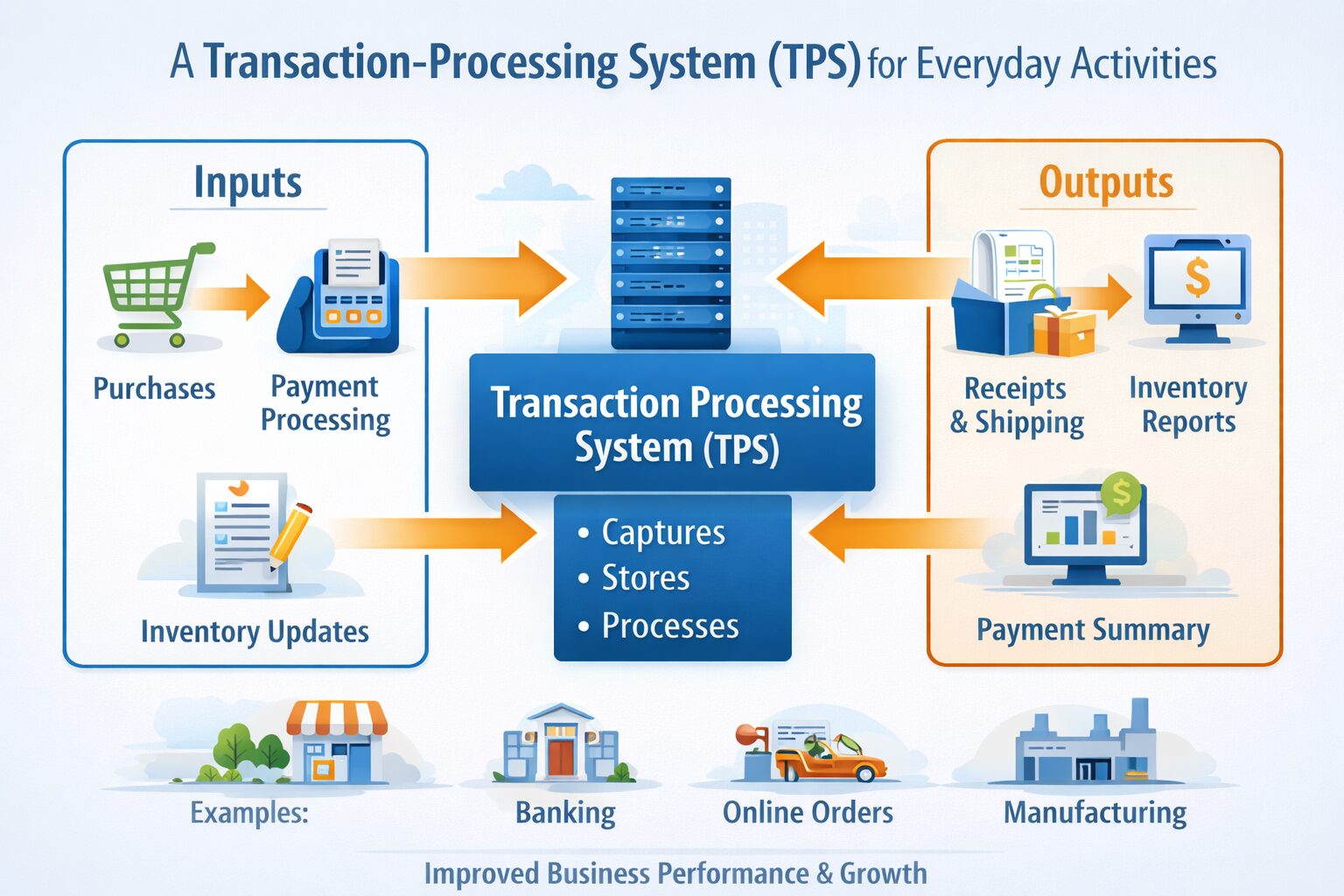
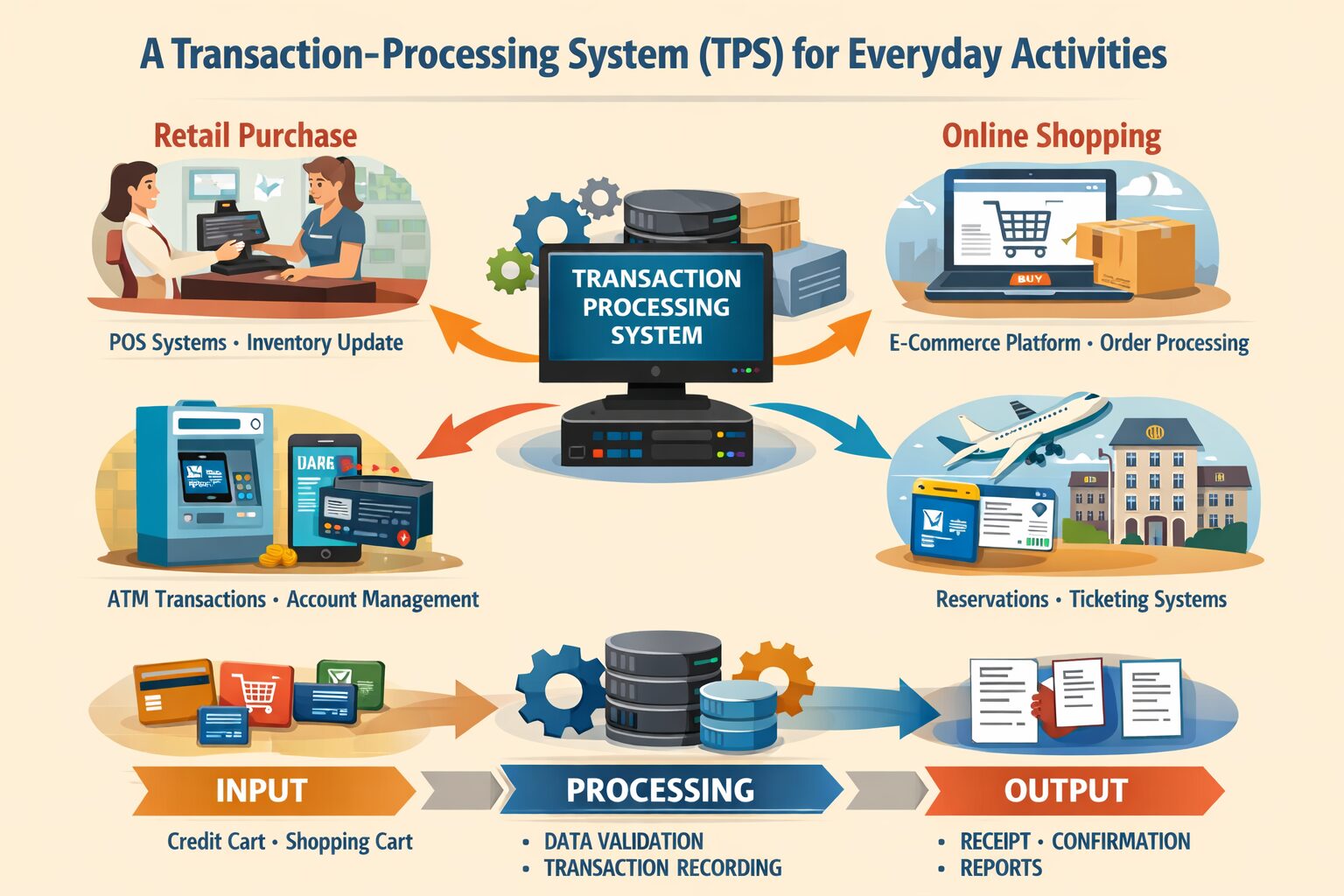
- Input: This is where data entry occurs. Input can come from various sources, such as point-of-sale terminals, online forms, or mobile applications. For instance, when a customer makes a purchase at an auto repair shop, the transaction details are entered into the system.
- Processing: Once the data is inputted, the TPS processes the information. This involves validating the data, updating inventory levels, and calculating totals. For example, if a customer buys a new tire, the system will deduct that tire from the inventory count.
- Output: After processing, the system generates outputs, such as receipts, reports, or updated records. These outputs are crucial for both the business and the customer. For example, a customer receives a receipt that details their purchase, while the business gets updated sales data.
- Storage: All transaction data is stored in a secure database. This allows for easy retrieval and analysis in the future. For example, a TPS can store customer service history, which can be accessed for future interactions.
- Control: This component ensures data integrity and security. Control mechanisms prevent unauthorized access and ensure that transactions are processed accurately. For instance, a TPS may include user authentication protocols to protect sensitive financial data.
Role in Supporting Business Operations
The role of a TPS in supporting business operations cannot be overstated. By automating routine tasks and providing real-time data access, TPS enhances operational efficiency. Businesses can respond quickly to customer needs, manage resources effectively, and make informed decisions based on accurate data.
Advantages of Transaction-Processing Systems
- Increased Efficiency: TPS automates repetitive tasks, reducing the time and effort required to process transactions. This allows employees to focus on more strategic activities, such as customer engagement.
- Improved Accuracy: By minimizing human error, TPS ensures that data is processed correctly. This leads to fewer discrepancies in financial records and inventory management.
- Real-Time Data Access: Businesses can access up-to-date information instantly, enabling them to make timely decisions. For example, knowing current inventory levels allows for better stock management.
- Enhanced Customer Experience: With faster transaction processing, customers enjoy quicker service, which can lead to increased satisfaction and loyalty.
Potential Drawbacks of Transaction-Processing Systems
While TPS offers numerous benefits, there are also potential drawbacks to consider:
- High Initial Costs: Implementing a TPS can require significant investment in software, hardware, and training, which may be a barrier for smaller businesses.
- Dependence on Technology: Businesses become reliant on their TPS, and any system failure can lead to operational disruptions. For instance, if a TPS goes down, transactions may need to be manually recorded, leading to delays.
- Data Security Risks: Storing sensitive transaction data can make businesses vulnerable to cyberattacks. A breach could result in financial loss and damage to reputation.
Real-World Applications of Transaction-Processing Systems
Transaction-processing systems have a wide range of applications across various industries. Here are a few examples of how TPS influences efficiency, decision-making, and competitiveness:
- Retail: In retail environments, TPS enables quick checkout processes, accurate inventory tracking, and detailed sales reports. For example, a clothing store can analyze sales data to identify popular items and adjust inventory accordingly.
- Automotive Services: Auto repair shops use TPS to manage customer appointments, track service history, and process payments efficiently. This can lead to improved customer retention as clients appreciate the seamless service experience.
- Hospitality: Hotels utilize TPS to manage bookings, process payments, and track guest preferences. This information allows them to tailor services to individual guests, enhancing their overall experience.
- Healthcare: In healthcare, TPS is crucial for managing patient records, billing, and appointment scheduling. Accurate data processing ensures that patients receive timely care while maintaining compliance with regulations.
In summary, transaction-processing systems are integral to modern business operations. By automating processes and providing real-time data, TPS not only enhances efficiency but also supports better decision-making and competitive advantage.
Assessing Transaction-Processing Systems
Evaluating a transaction-processing system (TPS) is crucial for businesses looking to enhance their operational efficiency and customer service. A thorough assessment involves examining various criteria to ensure that the selected system aligns with the organization’s needs and goals. Below, we outline key evaluation criteria and provide guidance on implementation and integration.
Evaluation Criteria
When assessing a TPS, consider the following criteria:
| Criteria | Description |
|---|---|
| Cost | Evaluate the total cost of ownership, including initial setup, ongoing maintenance, and potential upgrade costs. Consider both software licensing fees and hardware investments. |
| Scalability | Determine whether the system can grow with your business. A scalable TPS should accommodate increasing transaction volumes without significant performance degradation. |
| Compatibility | Assess how well the TPS integrates with existing systems and software. Compatibility with current hardware and software is crucial for smooth operations. |
| Security | Examine the security measures in place to protect sensitive transaction data. Look for encryption, user authentication, and compliance with industry regulations. |
| User Adoption | Consider the ease of use and training requirements for staff. A user-friendly interface will facilitate quicker adoption and minimize disruptions during the transition. |
Steps for Implementation
Implementing a TPS involves several critical steps to ensure a successful transition. Below is a structured approach:
- Define Objectives: Clearly outline the goals you want to achieve with the TPS. This could include improving transaction speed, enhancing data accuracy, or providing better customer insights.
- Conduct a Needs Assessment: Analyze your current processes and identify areas for improvement. Gather input from various stakeholders to understand their requirements.
- Research and Select a TPS: Based on your evaluation criteria, research potential systems. Request demos and trials to gauge usability and functionality.
- Plan Integration: Develop a detailed plan for integrating the TPS with existing systems. This may involve data migration, hardware upgrades, or changes to workflows.
- Train Staff: Provide comprehensive training for all users. This will facilitate smoother adoption and help staff understand how to leverage the new system effectively.
- Launch the System: Implement the TPS in phases, if possible. Start with a pilot program to identify any issues before a full rollout.
- Monitor Performance: After implementation, continuously monitor the TPS performance against your defined objectives. Gather feedback from users and make necessary adjustments.
Challenges Businesses Might Face
While implementing a TPS can significantly enhance business operations, organizations may encounter several challenges:
- Resistance to Change: Employees may be accustomed to existing processes and resistant to adopting new technology. Effective change management strategies are essential to address this.
- Data Migration Issues: Transferring existing data to the new TPS can be complex and prone to errors. Careful planning and testing are required to ensure data integrity.
- Integration Difficulties: Integrating the TPS with legacy systems may present technical challenges. Compatibility issues can lead to disruptions in operations.
- Cost Overruns: Unforeseen expenses related to training, maintenance, or system upgrades can impact the overall budget. It is crucial to have a contingency plan in place.
- Ongoing Maintenance: A TPS requires continuous monitoring and maintenance to ensure optimal performance. Businesses need to allocate resources for ongoing support.
By carefully assessing these evaluation criteria and following a structured implementation plan, businesses can successfully integrate a transaction-processing system that meets their operational needs and enhances overall efficiency.
Summary of Key Points
Transaction-processing systems (TPS) are vital for businesses, providing a structured approach to managing daily transactions. These systems automate processes, enhance data accuracy, and improve customer experiences. The evaluation of TPS involves assessing criteria such as cost, scalability, compatibility, security, and user adoption. Successful implementation requires careful planning and consideration of potential challenges.
Importance of Transaction-Processing Systems
Transaction-processing systems play a crucial role in modern business operations. They enable organizations to:
- Streamline daily activities, reducing the time and effort required for transaction management.
- Enhance decision-making through real-time data access and reporting.
- Improve customer satisfaction by providing faster and more accurate service.
These factors contribute to a competitive advantage in increasingly crowded markets.
Supporting Statistics and Case Studies
The impact of TPS on business efficiency is supported by various statistics and case studies:
- A study by McKinsey found that businesses implementing TPS saw a productivity increase of up to 20 percent within the first year.
- According to a report by the Aberdeen Group, organizations using TPS experienced a 30 percent reduction in transaction processing time, leading to improved customer satisfaction scores.
- Case studies from retail giants like Walmart illustrate that their TPS enables real-time inventory management, allowing them to reduce stockouts by 15 percent, ultimately boosting sales.
These statistics highlight the tangible benefits of adopting a TPS in various industries.
Future Trends in Transaction-Processing Systems
As technology continues to evolve, the future of transaction-processing systems is likely to be shaped by several trends:
- Integration with Artificial Intelligence: TPS will increasingly incorporate AI to enhance data analysis and automate decision-making processes, leading to more intelligent transaction management.
- Cloud-Based Solutions: The shift towards cloud computing will make TPS more accessible and scalable, allowing businesses to adapt quickly to changing demands.
- Enhanced Security Measures: With the rise in cyber threats, TPS will focus on implementing advanced security protocols, such as blockchain technology, to protect sensitive transaction data.
- Mobile and Remote Access: The demand for mobile solutions will drive the development of TPS that can be accessed from various devices, enabling businesses to operate more flexibly.
These trends indicate that TPS will continue to evolve, providing businesses with the tools necessary to thrive in a dynamic marketplace. As organizations increasingly recognize the value of efficient transaction management, the adoption of TPS will likely grow, further solidifying its importance in the business world.