

Understanding a Closed System in Business
A closed system in business refers to an organization or process that operates independently of external influences, relying solely on its internal resources and processes to function. This concept is crucial for auto owners who manage their vehicles as businesses, such as fleet management or car rental services. The primary purpose of a closed system is to create a self-sustaining environment where all necessary components, from operations to finances, are contained within the organization. This approach allows for better control, efficiency, and predictability, making it particularly relevant for small and large organizations alike.
In the automotive industry, closed systems can be found in various scenarios, including manufacturing, maintenance, and service operations. For instance, an auto repair shop that sources its parts from a dedicated supplier and manages its workforce internally exemplifies a closed system. Such businesses can streamline their processes, reduce costs, and improve service delivery by minimizing reliance on external vendors. Additionally, fleet management companies that maintain their vehicles and manage logistics independently can optimize their operations, ensuring timely deliveries and reducing downtime.
Closed systems are particularly applicable in industries where consistency and reliability are paramount. In automotive manufacturing, for example, a closed system allows for precise quality control, as every step of the production process can be monitored and adjusted without outside interference. This is critical in an industry where safety and performance are non-negotiable. Similarly, auto rental services that operate within a closed system can manage their fleet more efficiently, ensuring that vehicles are always in optimal condition and ready for customer use.
Moreover, closed systems can be beneficial for organizations looking to innovate. By controlling all aspects of their operations, businesses can experiment with new processes or technologies without the risk of external disruptions. This flexibility can lead to significant advancements in service delivery, customer satisfaction, and ultimately, profitability.
In summary, understanding the concept of a closed system is essential for auto owners and businesses within the automotive sector. By leveraging this model, organizations can enhance their operational efficiency, maintain quality control, and foster innovation, all while minimizing external dependencies. The relevance of closed systems spans various industries, making it a vital consideration for any organization aiming for sustained success in today’s competitive landscape.
How a Closed System Functions in Business
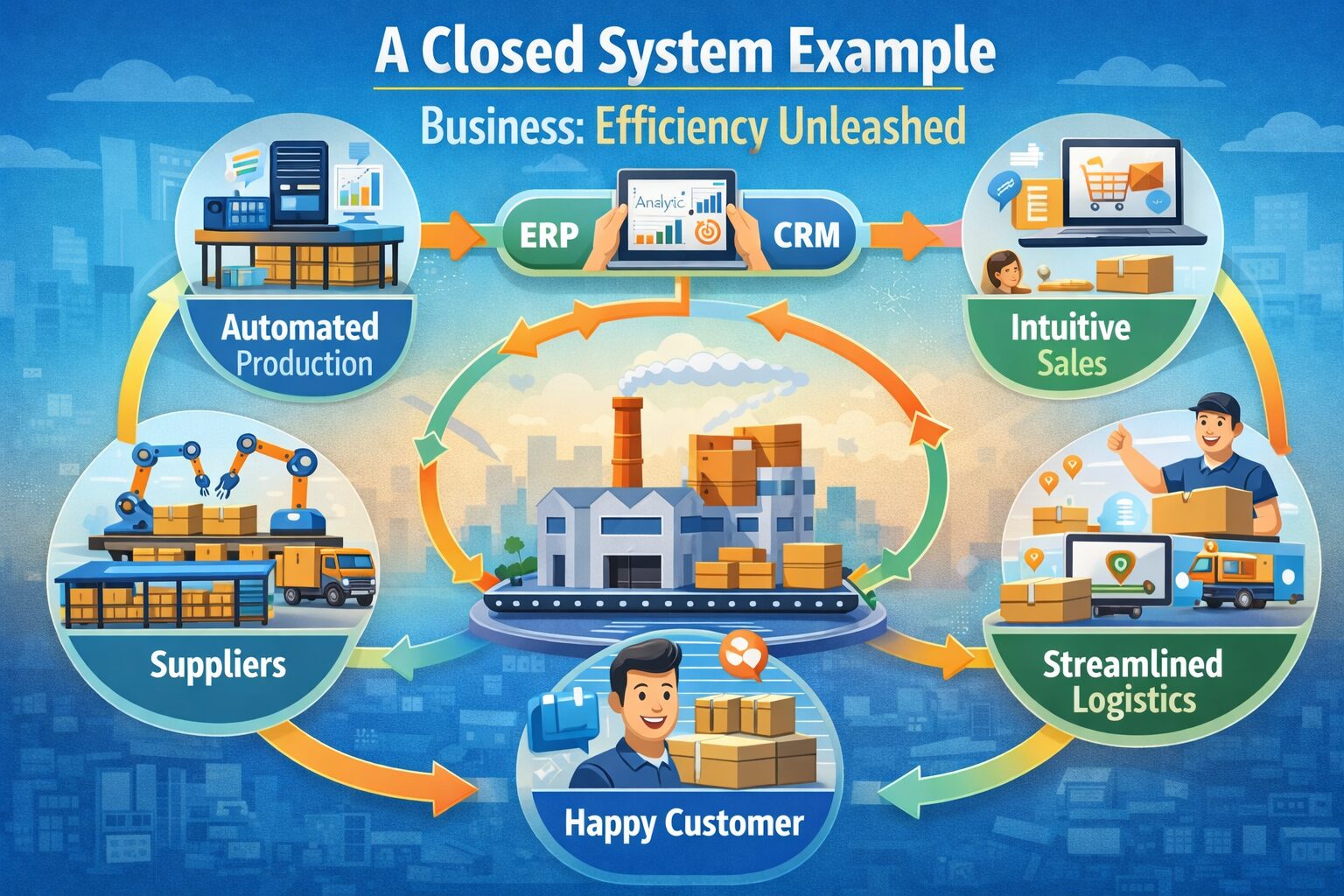
A closed system operates as a self-contained unit that relies on its internal components to manage operations, resources, and decision-making. This model is particularly beneficial for businesses in the automotive sector, where efficiency, reliability, and quality control are critical. By focusing on internal processes, closed systems can streamline operations and enhance overall performance.
Key Components of a Closed System
A closed system consists of several integral components that work together to ensure smooth functionality:
- Internal Processes: These include manufacturing, maintenance, and service delivery processes that are managed within the organization.
- Resource Management: This involves the allocation and utilization of internal resources, such as labor, machinery, and materials, without relying on external suppliers.
- Data and Information Flow: Closed systems often utilize internal data management systems to track performance metrics, customer feedback, and operational efficiency.
- Decision-Making Framework: A closed system typically has a defined hierarchy or structure for making decisions, allowing for quick responses to internal challenges.
Role in Supporting Business Operations
The role of a closed system in business operations is multifaceted. By maintaining control over all aspects of the organization, businesses can achieve several advantages:
- Enhanced Efficiency: With all processes managed internally, businesses can eliminate delays caused by external dependencies, leading to faster turnaround times.
- Improved Quality Control: Closed systems allow for stringent quality checks at every stage of production or service delivery, ensuring that standards are consistently met.
- Cost Reduction: By minimizing reliance on external suppliers, organizations can reduce costs related to procurement and logistics.
- Streamlined Communication: Internal communication is often more straightforward in a closed system, facilitating better collaboration among teams.
Advantages of a Closed System
The advantages of implementing a closed system in business are significant:
- Control: Businesses have complete control over their processes, allowing for tailored solutions that meet specific needs.
- Consistency: A closed system fosters consistency in operations, which is crucial for maintaining brand reputation and customer trust.
- Innovation: Organizations can experiment with new technologies and processes without external limitations, fostering a culture of innovation.
Potential Drawbacks
Despite its benefits, a closed system also has potential drawbacks that organizations should consider:
- Limited Flexibility: A closed system may struggle to adapt to external market changes or disruptions, potentially hindering growth.
- Resource Constraints: Relying solely on internal resources can lead to limitations in expertise and capabilities.
- Risk of Isolation: Businesses may become insular, missing out on valuable insights from external sources or industry trends.
Real-World Applications
Closed systems find practical applications across various sectors, particularly in automotive businesses:
- Manufacturing Plants: Auto manufacturers often operate closed systems to maintain quality control and streamline production lines. For example, Toyota’s production system emphasizes internal processes to enhance efficiency and reduce waste.
- Auto Repair Shops: Independent repair shops that source parts from a single supplier and manage their labor internally exemplify closed systems, allowing for better service consistency.
- Fleet Management: Companies managing their fleets independently can optimize routes and maintenance schedules, ensuring that vehicles are always operational and reducing costs associated with downtime.
Influence on Efficiency, Decision-Making, and Competitiveness
The influence of a closed system on efficiency, decision-making, and competitiveness is profound:
- Efficiency: By controlling all operations, businesses can identify bottlenecks and streamline workflows, leading to faster service delivery.
- Decision-Making: With a clear internal structure, organizations can make informed decisions quickly, responding to challenges or opportunities without external delays.
- Competitiveness: A closed system enables businesses to maintain high standards and innovate, giving them a competitive edge in the market.
In conclusion, the closed system model offers a robust framework for businesses in the automotive sector. By focusing on internal processes and resources, organizations can enhance their operational efficiency, maintain quality control, and foster innovation, all while navigating the complexities of the market.
Assessing a Closed System in Business
Evaluating a closed system in a business context requires a comprehensive approach that considers various criteria. This assessment helps organizations determine whether their current systems are effective or if improvements are necessary. Below are key evaluation criteria and steps for implementation, integration, and improvement.
Evaluation Criteria
When assessing a closed system, organizations should focus on the following criteria:
| Criteria | Description |
|---|---|
| Cost | Analyze the total cost of ownership, including initial setup, maintenance, and operational costs. |
| Scalability | Determine whether the system can grow with the business, accommodating increased demand or additional features. |
| Compatibility | Evaluate how well the system integrates with existing tools and technologies within the organization. |
| Security | Assess the security measures in place to protect sensitive data and ensure compliance with regulations. |
| User Adoption | Consider how easily employees can adapt to the system and whether adequate training and support are provided. |
Steps for Implementation
Implementing or improving a closed system involves several critical steps:
- Define Objectives: Clearly outline the goals you want to achieve with the closed system, such as improving efficiency or reducing costs.
- Conduct a Needs Assessment: Gather input from stakeholders to identify specific requirements and challenges that the system must address.
- Research Solutions: Investigate various tools and technologies that align with your objectives and evaluation criteria.
- Develop a Project Plan: Create a detailed plan that outlines timelines, responsibilities, and resources needed for implementation.
- Test the System: Before full deployment, conduct pilot testing to identify any issues and gather feedback from users.
- Train Employees: Provide comprehensive training to ensure that all users understand how to operate the system effectively.
- Launch and Monitor: Implement the system organization-wide and continuously monitor its performance, making adjustments as necessary.
Integration Challenges
While implementing a closed system can yield significant benefits, businesses may encounter several challenges:
- Resistance to Change: Employees may be hesitant to adopt new systems, especially if they are accustomed to existing processes.
- Technical Issues: Integration with legacy systems can pose technical challenges, requiring additional resources and expertise.
- Cost Overruns: Unexpected expenses may arise during implementation, impacting the overall budget.
- Data Migration: Transferring existing data to the new system can be complex and time-consuming, with risks of data loss or corruption.
- Training Gaps: Insufficient training can lead to poor user adoption and ineffective use of the system.
Improvement Strategies
To enhance the effectiveness of a closed system, organizations can adopt several improvement strategies:
- Continuous Feedback: Regularly solicit feedback from users to identify areas for improvement and address any concerns.
- Regular Updates: Keep the system updated with the latest features and security patches to ensure optimal performance.
- Benchmarking: Compare performance metrics against industry standards to identify gaps and opportunities for enhancement.
- Cross-Training: Encourage cross-training among employees to foster a deeper understanding of the system and promote collaboration.
By focusing on these evaluation criteria and following a structured implementation process, businesses can effectively assess and enhance their closed systems. This strategic approach not only improves operational efficiency but also positions organizations for long-term success in a competitive landscape.
Summary of Key Points
A closed system in business is a self-contained model that relies on internal processes and resources to operate effectively. This approach is particularly relevant for organizations in the automotive sector, where efficiency, reliability, and quality control are essential.
Importance of a Closed System
The significance of a closed system can be summarized through its various advantages:
- Enhanced operational efficiency through streamlined processes.
- Improved quality control, ensuring consistent product and service standards.
- Cost reduction by minimizing reliance on external suppliers.
- Fostering innovation by allowing organizations to experiment without external constraints.
Supporting Statistics and Case Studies
Several statistics and case studies illustrate the effectiveness of closed systems in business:
- A study by McKinsey & Company found that companies implementing closed-loop systems in manufacturing saw a 20% increase in efficiency.
- A case study of Toyota’s production system demonstrated a reduction in waste by 30%, showcasing the benefits of internal process control.
- According to a report by Gartner, organizations that adopt integrated closed systems experience a 15% reduction in operational costs within the first year.
Market Research Insights
Market research indicates a growing trend toward closed systems across various industries:
- The global market for closed-loop systems is projected to grow at a CAGR of 10% over the next five years, driven by advancements in technology and increased demand for efficiency.
- In the automotive sector, 70% of companies are expected to implement closed systems to enhance supply chain resilience and reduce costs by 2025.
Future Predictions and Trends
The future of closed systems in the business world is promising, with several trends emerging:
- Increased automation: As technology advances, closed systems will likely incorporate more automation, further enhancing efficiency and reducing human error.
- Integration with IoT: The Internet of Things will enable closed systems to gather real-time data, allowing for better decision-making and responsiveness.
- Sustainability focus: Companies will increasingly adopt closed systems to minimize waste and improve resource utilization, aligning with global sustainability goals.
By understanding the importance of closed systems and leveraging their advantages, organizations can position themselves for success in an ever-evolving business landscape. The ongoing trends suggest that closed systems will continue to play a crucial role in driving efficiency and innovation across various sectors.